
Understanding the Odds in Gambling
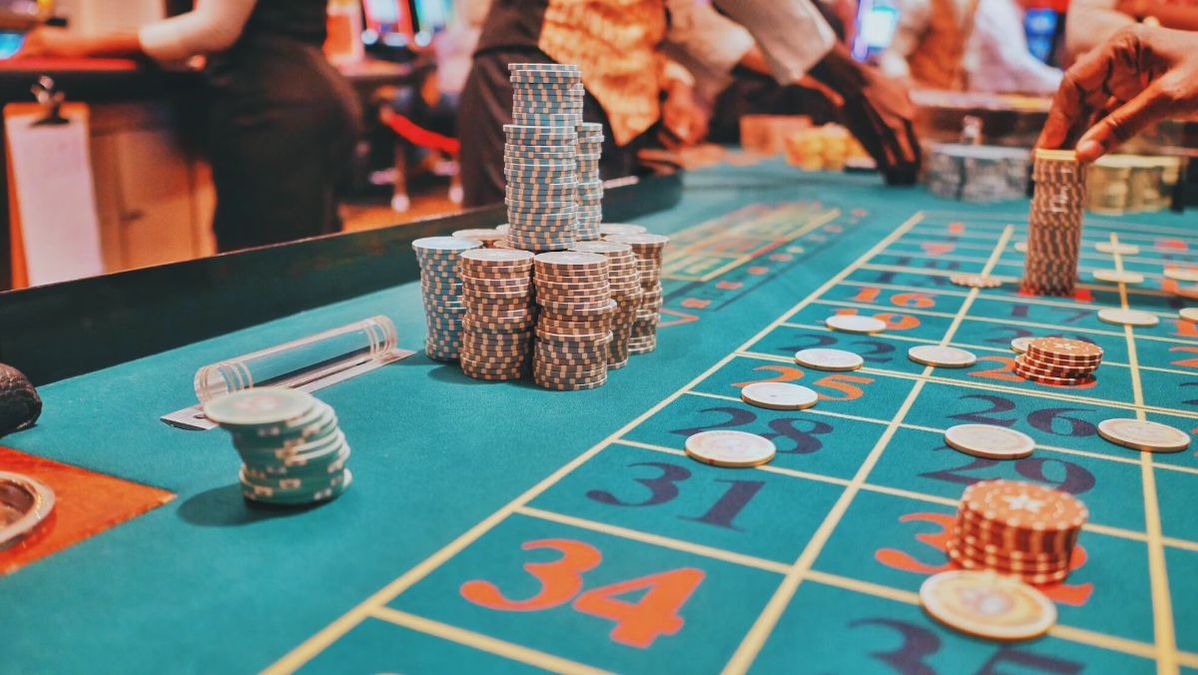
Navigating the world of gambling requires a fundamental understanding of probability and odds. Each game, from slot machines to card games, operates on a system of chances, and knowing these odds is crucial for managing expectations and potential outcomes. For instance, in games of chance like roulette, the wheel and ball dictate the probabilities of landing on specific numbers or colors, and understanding this can be as complex as navigating the offerings at dv77 casino.
The house edge is a key concept that players must grasp. This refers to the casino’s built-in advantage, ensuring their profitability over the long term. While individual sessions can result in wins, the mathematical design of most gambling games favors the establishment. Recognizing this edge helps in setting realistic profit goals and understanding that consistent large wins are statistically improbable without significant luck.
Strategic Approaches to Gambling Winnings
While luck plays a substantial role in gambling, strategic approaches can influence the player’s experience and potential for success. This doesn’t imply guaranteed wins, but rather a more informed and controlled way of participating. For example, understanding betting patterns in games like roulette and managing one’s bankroll effectively can prolong playtime and potentially lead to more favorable outcomes within the game’s parameters.
Responsible gambling practices are paramount. Setting limits on both time and money spent is essential. This proactive approach prevents excessive losses and ensures that gambling remains an enjoyable form of entertainment rather than a source of financial distress. Players who approach gambling with a disciplined mindset are more likely to walk away with profits, or at least minimize their losses.
The Psychology of Gambling and Decision Making
The psychological aspects of gambling are as influential as the mathematical ones. Understanding one’s own emotional responses to wins and losses is critical for maintaining a rational approach. The thrill of a win can lead to overconfidence, while a string of losses might prompt desperate, high-risk bets. Recognizing these emotional triggers allows for better decision-making.
Many successful gamblers cultivate a detached perspective, viewing each game as an independent event rather than a continuation of past results. This mental fortitude helps in avoiding the common pitfalls of chasing losses or becoming overly attached to a winning streak. Cultivating this psychological discipline is a key differentiator for those who aim for consistent, albeit not guaranteed, positive results in their gambling endeavors.
Maximizing Returns and Managing Risk
To maximize potential returns in gambling, players often explore various betting systems and strategies. In roulette, for example, understanding the payouts for different bet types, such as inside bets (on specific numbers) versus outside bets (on colors or ranges of numbers), can inform a player’s strategy. However, it’s vital to remember that no system can overcome the inherent house edge over extended play.
Effective risk management is the cornerstone of any successful gambling strategy. This involves carefully allocating a bankroll and deciding on the maximum amount that can be risked on any given session or bet. By setting these boundaries, players protect themselves from significant financial setbacks, allowing them to continue playing and potentially benefit from fortunate turns of events.
Alicia Meuret, PhD: Expertise in Behavioral Science and Gambling
While the provided context does not detail specific services related to gambling at aliciameuretphd.net, academic and clinical expertise in behavioral science, such as that held by Alicia Meuret, PhD, can offer valuable insights into the psychology of gambling. Understanding the behavioral patterns and decision-making processes that underlie gambling behavior is a critical area of study.
Individuals seeking to understand or manage their gambling habits, or even those interested in the psychological underpinnings of games of chance, might find professional guidance beneficial. Expertise in areas like cognitive biases, impulse control, and reward pathways, which are often explored by behavioral scientists, can provide a framework for comprehending why individuals engage in gambling and the factors that contribute to both success and problematic outcomes.